Many parents face the challenge of children who simply refuse to do any kind of sport. Whether it’s down to insecurity, lack of interest or feeling they’re “not good at it”, resistance to physical activity can become a barrier to both physical and emotional wellbeing.
The good news is that, as a parent, there are simple and effective ways to shift this mindset and help your child embrace exercise in a fun, healthy and pressure-free way.
1. Find a physical activity they genuinely enjoy
Not all children enjoy traditional sports like football or basketball. If your child feels uncomfortable with competitive environments, look for alternatives that feel playful and low-pressure. For example:
- Dance: Dancing is a brilliant way for children to stay active while expressing themselves. You could explore local dance classes or simply dance together at home using online videos.
- Outdoor play: Activities such as skipping, roller skating, cycling or even playing hide and seek are excellent ways to move without the structure or stress of organised sport.
- Swimming: If your child enjoys the water, swimming is a fantastic option. It improves overall fitness while helping develop coordination and motor skills.
2. Highlight the benefits of exercise in a positive way
It’s important to explain the benefits of physical activity without creating pressure. Instead of focusing on winning or being the best, talk about how exercise supports their wellbeing, such as:
- More energy: Explain how being active can help them feel more energised and less tired throughout the day.
- Better health: Share how exercise strengthens the heart, muscles and bones, helping them grow healthier and stronger.
- Feeling good about themselves: Physical activity also boosts mood, reduces stress and helps children feel more confident.
3. Exercise together as a family
Children learn by example. If they see you enjoying being active, they’re much more likely to join in. Try making exercise a shared family activity — going for a walk, doing yoga at home or playing something active like frisbee in the park.
When exercise feels like quality family time rather than a chore, children are far more open to making it a habit.
4. Celebrate effort and progress — not competition
Many children dislike sport because they feel they’re not good enough or worry about disappointing others. To counter this, celebrate every small win: running a little longer, jumping a bit higher or simply having fun.
Focus on effort rather than comparison. This helps build a positive relationship with physical activity and boosts motivation.
5. Introduce sport gradually
If your child hasn’t shown much interest in sport before, avoid pushing too much too soon. Start gently, allowing them to ease into being active at their own pace.
Begin with light, enjoyable activities and gradually increase intensity over time. This helps prevent overwhelm and keeps exercise enjoyable rather than stressful.
Stay connected while they’re being active
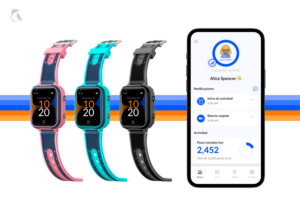
When children take part in activities outside the home, it’s natural for parents to worry about their safety. For families looking for a safer alternative to a smartphone, a GPS smartwatch with calling features can help parents stay connected without exposing children to the risks of the digital world.
This type of device allows your child to contact you easily in case of an emergency while they’re at sports practice or playing outdoors — giving you peace of mind while they enjoy active, distraction-free play.
Conclusion
Encouraging your child to enjoy sport is often a gradual process, but with patience and the right approach, it’s absolutely achievable. Focus on fun activities, celebrate progress and make exercise a positive experience you can share as a family.
Above all, make sure your child feels supported and free from pressure — that’s when the real benefits of physical activity truly begin.